Our Program Track Registry
Comprehensive Development Initiatives Sourced To Align Cross-Sector Capabilities

Why Collaborate With Us?
An Independent Engine for
Sustainable Integration
Unlocking true progress requires absolute alignment. XSPI coordinates ecosystem tracks across regional landscapes to optimize development impact and eliminate transactional fragmentation.

What Our Partners Say
XSPI functions as an invaluable bridge. Through their model, we can transition technical research directly into actionable, cross-sector development initiatives on the ground.

Dr. Nawshad Haque
Academia Working Group MemberThe independent nature of XSPI allows local non-profits, international agencies, and government departments to align around shared values without traditional funding barriers.
Erad Kawsar
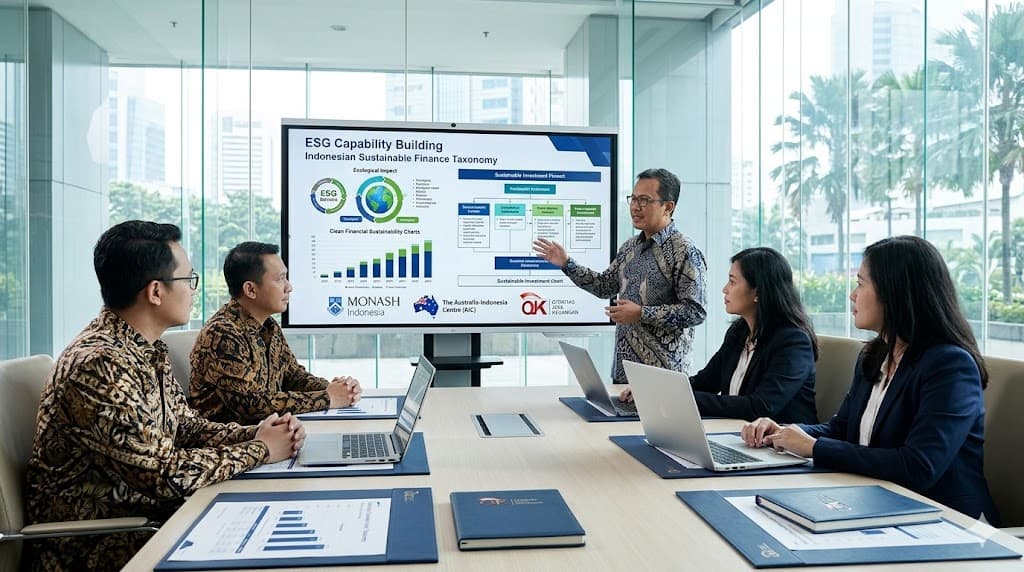
NGO Ecosystem CoordinatorBy aligning corporate ESG objectives with clear community criteria, XSPI helps build platforms that ensure private sector investments generate lasting development impact.
Farhad Reza
Business Sector Advisory LeadFrom atmospheric water towers to dense urban disease elimination models, our zero-cost platform framework focuses on co-creating fully scalable country projects.
Jessica Carter
Lead Convenor, Bangladesh GroupThrough the strategic platform framework, we seamlessly align regional corporate ESG criteria with active host-country development priorities to create deep, long-term community value[cite: 2].
Dr. Nia Sarinastiti
Indonesia Steering Committee MemberOur operating model brings stability to complex ecosystems. By acting as an independent catalyst, we bridge the gap between financial taxonomies and grassroots public health deployments[cite: 2].
Simon Field
Lead Convenor, Indonesia GroupXSPI provides a tested, zero-cost pathway that bridges academia, business, and policy makers—allowing us to co-create fully optimized pilots like the Bali Dengue program[cite: 2].
Dr. Dan Evans
Advisory Council RepresentationThe value of cross-sector integration is evident in our regional mapping workflows. It allows disparate cohorts to unite around common goals like clean energy and nutrition[cite: 2].
Kristina Ringwood
Expert Network ContributorBy aligning cross-sector efforts, this platform helps convert high-level policy discussion into structured, scalable frameworks that empower local organizations on the ground.
Paul Barker
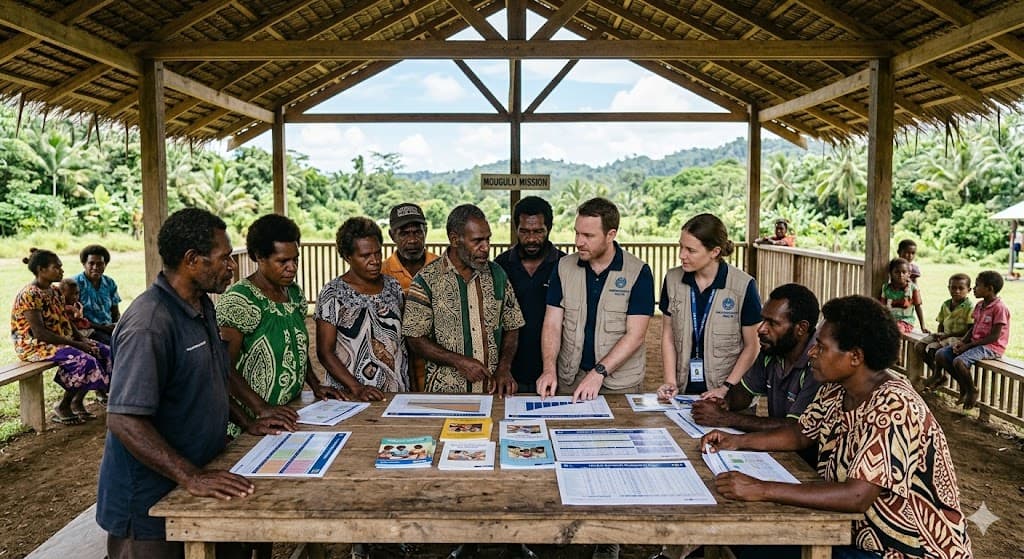
PNG Steering Committee RepresentationOperating as an independent catalyst allows us to bridge traditional divides between commercial ESG strategies and grassroots civil society hubs across the Highlands.
Gigi Baxter
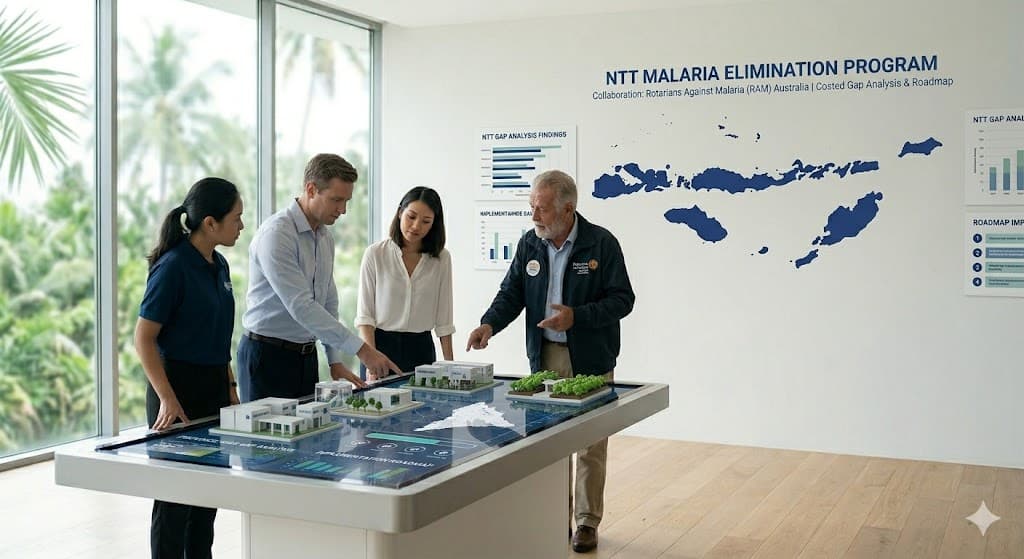
PNG Working Group Lead ConvenorThe value of XSPI's zero-cost framework is clear. It brings critical stability and structured coordination to multi-sector initiatives like our localized disease elimination pilots.
Dr. Sibauk Bieb
Malaria Taskforce Lead ContributorOur joint mapping workflows allow corporate, non-profit, and academic stakeholders to unite efficiently around shared child development and maternal nutrition priorities.
Leteisha Marat
Expert Network AdvisorXSPI functions as an invaluable bridge. Through their model, we can transition technical research directly into actionable, cross-sector development initiatives on the ground.
Dr. Nawshad Haque
Academia Working Group MemberThe independent nature of XSPI allows local non-profits, international agencies, and government departments to align around shared values without traditional funding barriers.
Erad Kawsar
NGO Ecosystem CoordinatorBy aligning corporate ESG objectives with clear community criteria, XSPI helps build platforms that ensure private sector investments generate lasting development impact.
Farhad Reza
Business Sector Advisory LeadFrom atmospheric water towers to dense urban disease elimination models, our zero-cost platform framework focuses on co-creating fully scalable country projects.
Jessica Carter
Lead Convenor, Bangladesh GroupThrough the strategic platform framework, we seamlessly align regional corporate ESG criteria with active host-country development priorities to create deep, long-term community value[cite: 2].
Dr. Nia Sarinastiti
Indonesia Steering Committee MemberOur operating model brings stability to complex ecosystems. By acting as an independent catalyst, we bridge the gap between financial taxonomies and grassroots public health deployments[cite: 2].
Simon Field
Lead Convenor, Indonesia GroupXSPI provides a tested, zero-cost pathway that bridges academia, business, and policy makers—allowing us to co-create fully optimized pilots like the Bali Dengue program[cite: 2].
Dr. Dan Evans
Advisory Council RepresentationThe value of cross-sector integration is evident in our regional mapping workflows. It allows disparate cohorts to unite around common goals like clean energy and nutrition[cite: 2].
Kristina Ringwood
Expert Network ContributorBy aligning cross-sector efforts, this platform helps convert high-level policy discussion into structured, scalable frameworks that empower local organizations on the ground.
Paul Barker
PNG Steering Committee RepresentationOperating as an independent catalyst allows us to bridge traditional divides between commercial ESG strategies and grassroots civil society hubs across the Highlands.
Gigi Baxter
PNG Working Group Lead ConvenorThe value of XSPI's zero-cost framework is clear. It brings critical stability and structured coordination to multi-sector initiatives like our localized disease elimination pilots.
Dr. Sibauk Bieb
Malaria Taskforce Lead ContributorOur joint mapping workflows allow corporate, non-profit, and academic stakeholders to unite efficiently around shared child development and maternal nutrition priorities.
Leteisha Marat
Expert Network AdvisorUnderstanding Cross-Sector Collaboration
Have questions regarding our operational model, active project cohorts, or ecosystem mapping? Get in touch with our convenors at info@xspi-development.org
The Cross Sector Development Partnership Initiative (XSPI) is an independent, zero-cost non-profit organization. We are not a funder, fundraiser, or implementer. Instead, we act as a platform (using our '5C' approach: Catalyst, Convenor, Collaborator, Co-creator, and Coalition Builder) to connect entities and establish scalable partnerships that align with host country development plans.
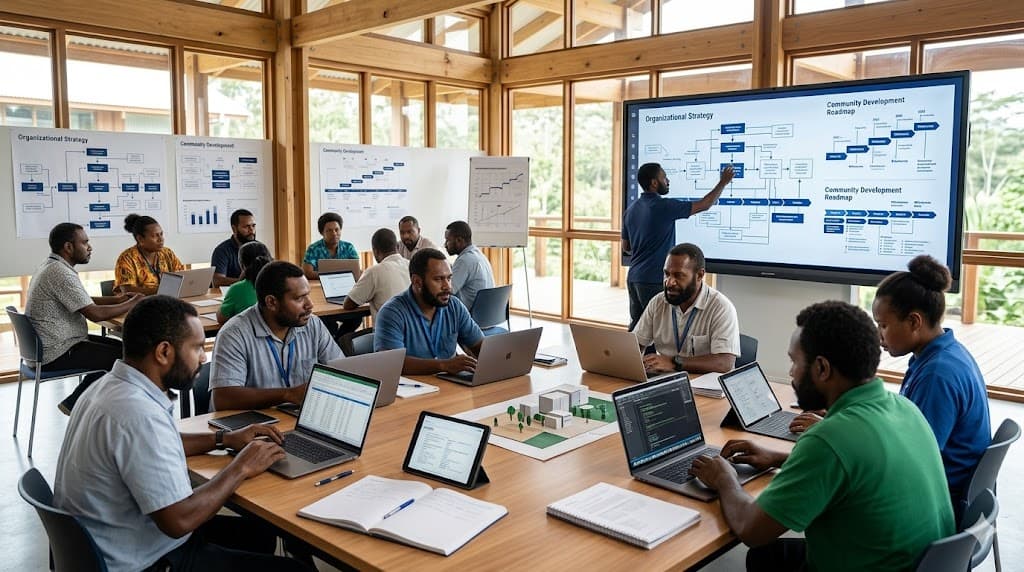
We facilitate multi-sector collaboration across Australia and host nations by aligning five core stakeholder sectors: (1) government, (2) business, (3) academia/health/medical research, (4) philanthropy/impact capital, and (5) NGOs/NFPs. Our country working groups utilize the comparative advantages of each cohort to establish shared value[cite: 2].
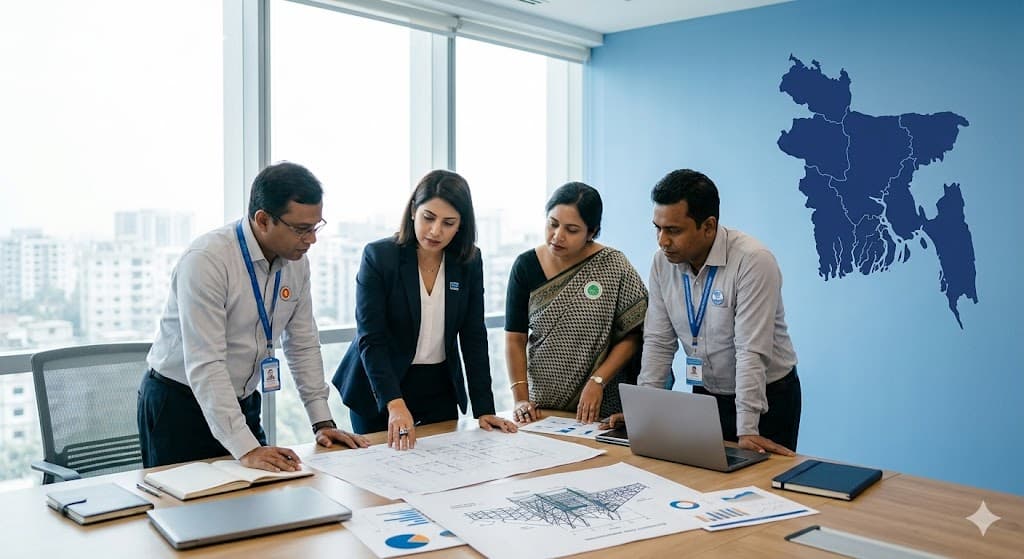
The XSPI Bangladesh Working Group is actively advancing several multi-sector efforts, including a Dhaka Dengue Elimination pilot leveraging Wolbachia bio-tech with the World Mosquito Program, a POP Atmospheric Water Tower infrastructure project with Build Bangladesh, and systemic ecosystem workshops to redesign the role of women in the Ready-Made Garment (RMG) sector[cite: 2].
We apply a strict qualifying lifecycle process that measures ideas against our 5C Framework[cite: 2]. This transitions a concept from initial stakeholder mapping and feasibility studies into structured funding identification, co-creation, and localized deployment loops before constructing a self-sustaining consortium exit[cite: 2].
Organizations or individuals from any of our 5 key focus sectors can engage with our country-specific working groups[cite: 2]. Long-term strategic platforms are typically formalized via a Collaboration Memorandum of Understanding (MOU) to source scalable, long-term impact projects at no operational cost[cite: 2].